main partner
10—13.12.26 Antwerp Expo
main partner
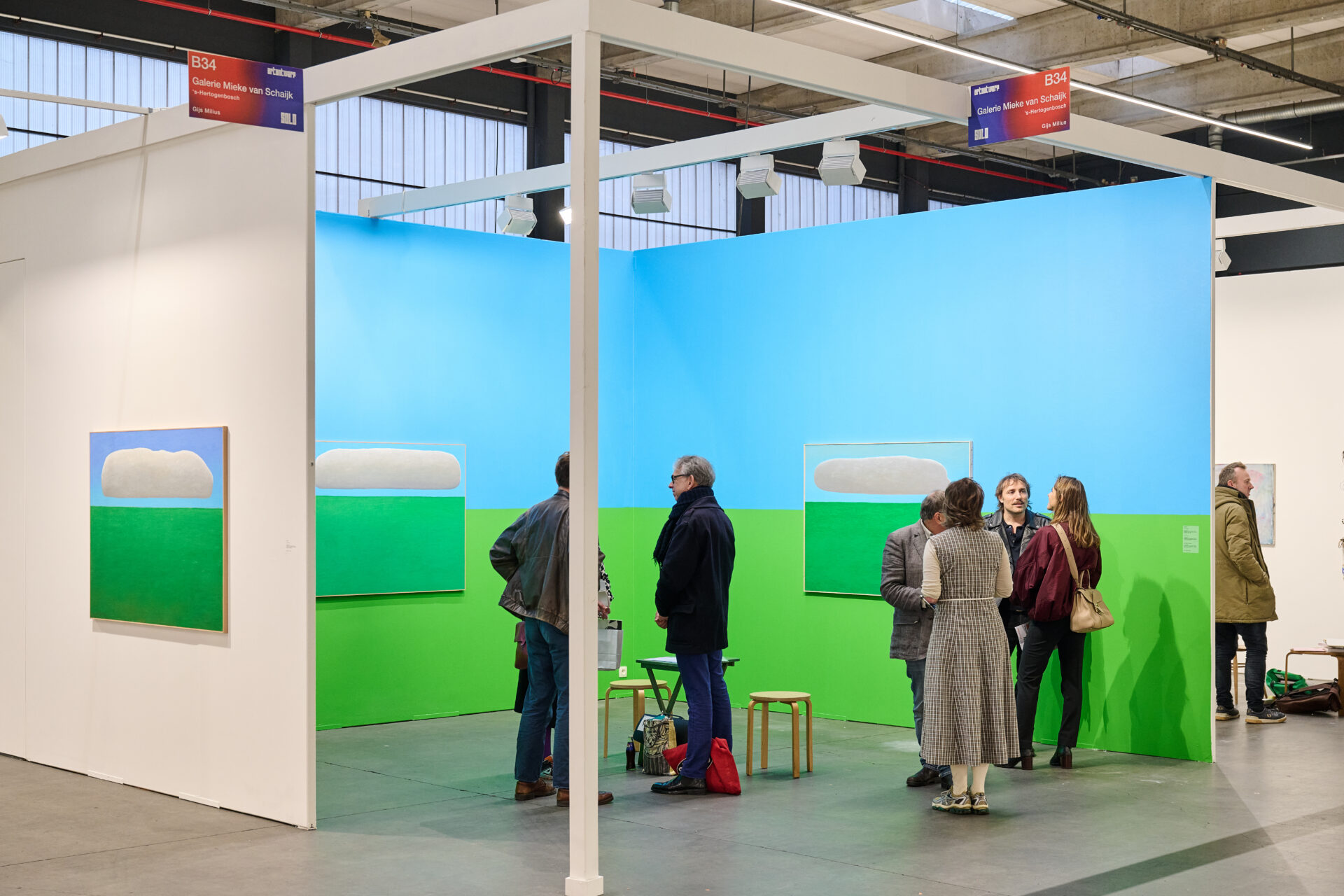
Solo booth of Galerie Mieke van Schaijk / Art Antwerp 2025
From intimate solos to focused duos, this year’s Art Antwerp invites visitors to engage deeply with individual artistic practices. More than one in four galleries — 23 out of 81, or about 28% — will show solo or duo presentations, each revealing a distinct artistic vision.
These showcases allow galleries to put the spotlight on artists, creating moments of reflection and discovery. Visitors can slow down, examine the materials, themes, and processes shaping each practice, and better understand the narratives behind the works on view.
This approach embodies Art Antwerp’s boutique spirit — a fair on a human scale that values intimacy, depth, and meaningful artistic encounters. Nine galleries will present solo exhibitions, offering visitors the chance to explore a single artist’s work in depth and uncover the subtle details that make their vision compelling.
Discover below the nine galleries* and the artists they are presenting in solo exhibitions at the fair.
*Text descriptions provided by the galleries.
1. Albert Kaan with 418 Gallery
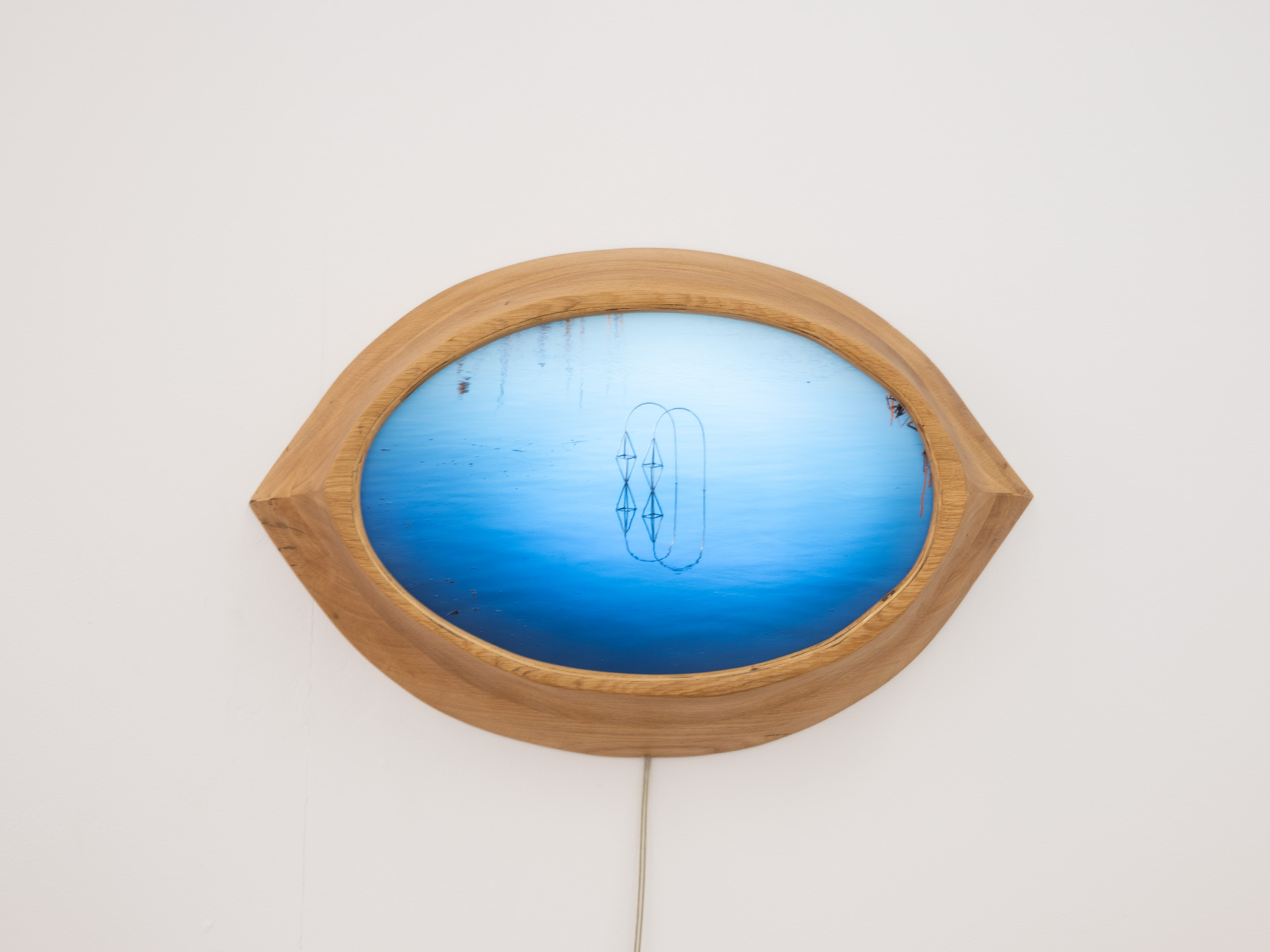
Albert Kaan, I see how it all becomes one, 2026. Oak wood, backlit film, sculpture intervention in public space, 50 × 35 × 8 cm.
Albert Kaan’s work has evolved from temporary interventions in public and natural spaces, where light-based silhouettes emerged within unfinished buildings, landscapes and transitional environments. These ephemeral presences became a means of questioning how we occupy and perceive the spaces around us.
In the works presented here, this exploration increasingly turns towards the figure itself. The Stacked series and the larger wire sculptures bring together multiple contours that overlap, intersect and remain partially unresolved. Their open structures allow the surrounding architecture to pass through them, challenging conventional notions of sculpture as solid, permanent and definitive.
This approach connects to the idea of the Undecided Monument: a monument that resists a single, fixed representation. Rather than presenting a definitive image, it brings together different possible versions of a figure, suggesting identity as something continuously shaped by experience, memory and change.
The eye-shaped lightbox extends this investigation into the realm of perception, while the sculptures explore the notion of becoming. Together, the works create a space between presence and absence, environment and figure, fixed identity and continuous transformation.
2. Erwin Pfrang with Axel Pairon gallery
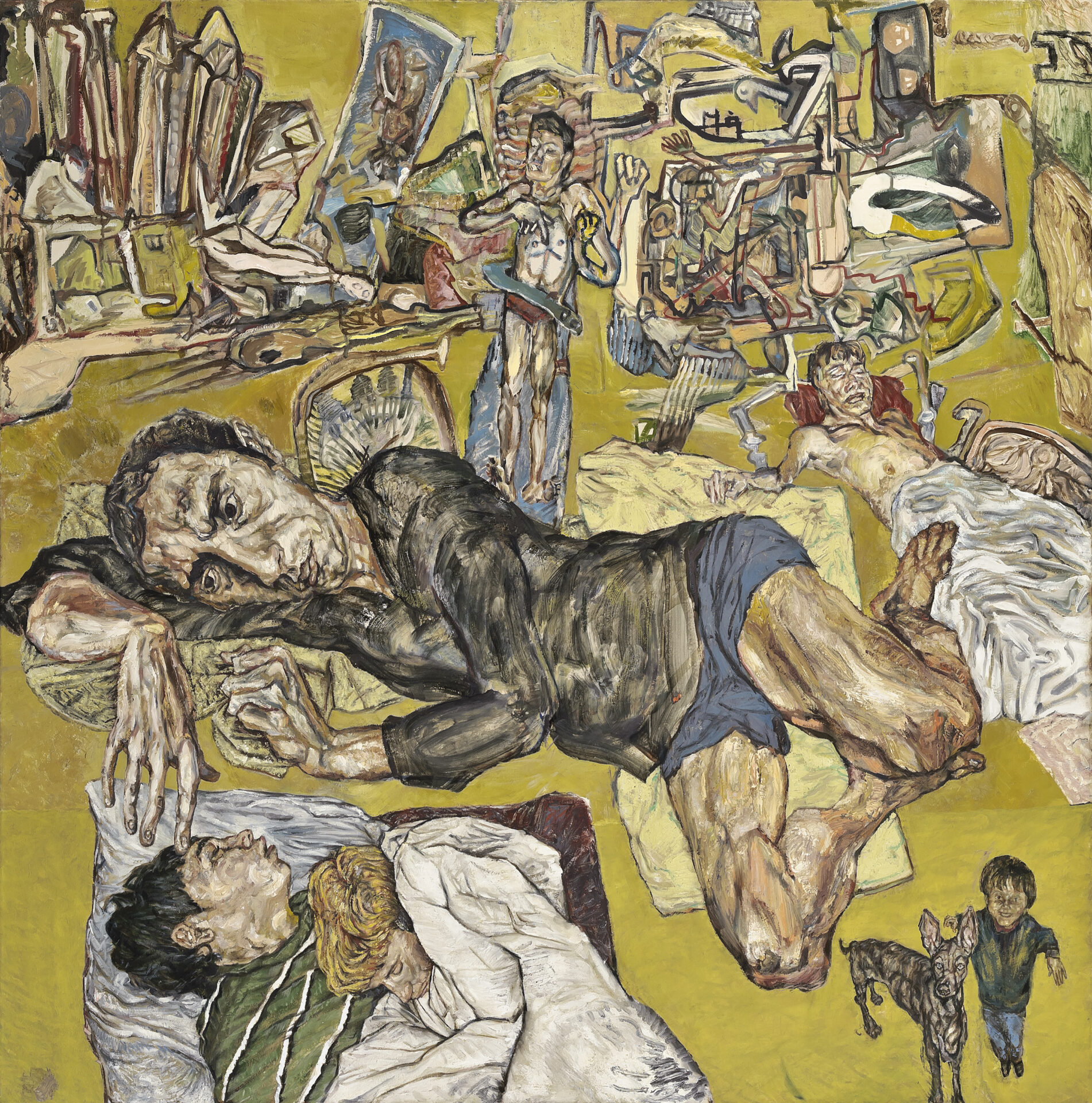
Erwin Pfrang, Ohne Titel Liegende, 2011. Oil on linnen, 140 x 150cm.
Axel Pairon Gallery will present a solo exhibition dedicated to the German painter Erwin Pfrang, offering Belgian collectors the opportunity to discover the work of this fascinating artist, whose paintings are already represented in important museums and collections.
The presentation will bring together paintings and drawings spanning different periods of Pfrang’s practice, combining earlier and more recent works to offer an insight into the breadth and evolution of his artistic universe.
Visitors will be immersed in the pictorial imagination of this solitary artist, whose work explores the fundamental aspects of human existence, in both their darker and lighter dimensions. His world knows no taboos and is populated by autobiographical situations, memories and desires, in which human beings, stripped of their masks, navigate deeply troubled existences.
Entitled Ohne Titel (Untitled), the exhibition takes its name from the many works by Pfrang that remain untitled. As the artist himself explains: “My pictures do not interpret, and I expect the same courtesy from the beholder-reader: not to be interpreted. My work has different meanings, also changing over the years. We find our reward in the effort that we use for understanding, not in understanding itself.”
3. GUY VANDENBRANDEN with CALLEWAERT VANLANGENDONCK GALLERY
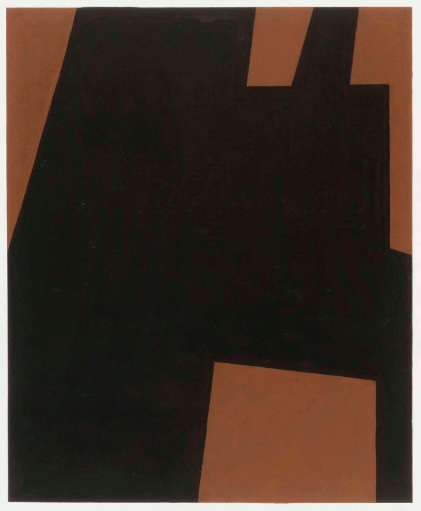
Guy Vandenbranden, Composition, 1959. Gouache on paper, 57 x 46 cm.
Coinciding with the KMSKA exhibition “Guy Vandenbranden. In the European Avant-Garde”, this focused solo presentation at Art Antwerp brings together key moments from the artist’s development, from the early 1950s to his later experiments with colour, light and translucent cellulose on panel. Spanning several decades, the presentation traces Vandenbranden’s continuous exploration of abstraction and his search for a visual language built from geometry, rhythm, colour and space. From the rigorous compositions of his early work to the increasingly luminous and spatial character of his later reliefs and cellulose works, his practice reveals a sustained engagement with the possibilities of abstraction. Rather than presenting a single period, the selection brings different phases of Vandenbranden’s oeuvre into relation, making visible the evolution of his thinking and the remarkable consistency underlying his changing visual vocabulary. Presented alongside the retrospective at the KMSKA, this solo exhibition offers a complementary perspective on Vandenbranden’s practice and his important contribution to the Belgian and European post-war avant-garde. A new publication dedicated to Guy Vandenbranden will also be available at the presentation.
4. Joris Van de Moortel with Gallery Sofie Van de Velde
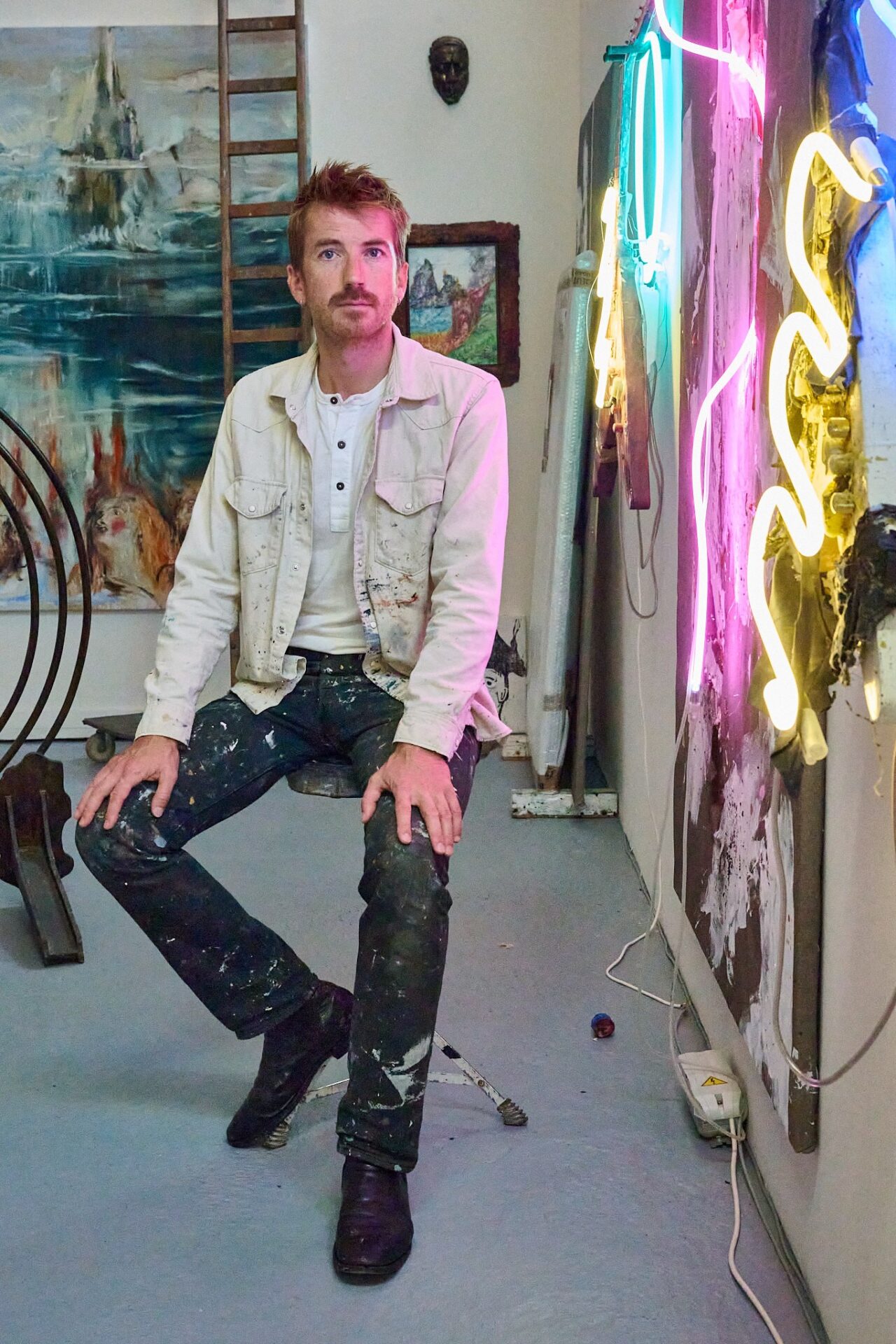
Portrait of Joris Van de Moortel. Photo credits: Joost Joossens.
Bringing together installation, sculpture and other works, the presentation focuses on the performative and connecting dimension that runs throughout Joris Van de Moortel’s multidisciplinary practice. Rather than presenting a static display, the booth becomes the starting point for a larger trajectory centred on encounter and performance. This trajectory will continue in May 2027, when Joris Van de Moortel presents his first solo exhibition at Gallery Sofie Van de Velde during Antwerp Art Weekend.
5. V&B (Alex Jacobs & Ellemieke Schoenmaker) with Heejsteck#
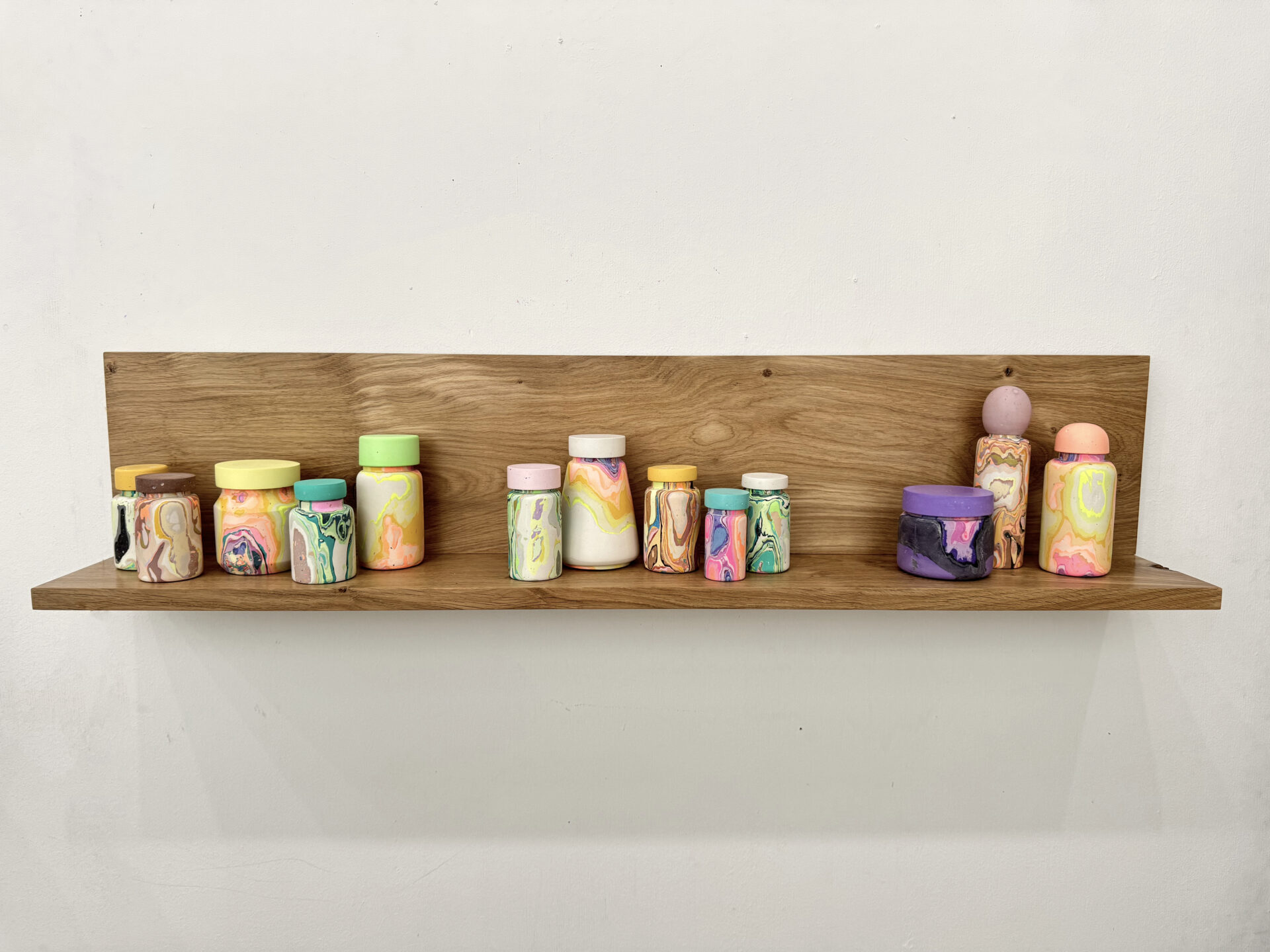
Cultivating Health, Beauty and Longevity, 2025. Pigmented plaster, oak, 22 x 17 x 100 cm.
The artist duo V&B (Alex Jacobs and Ellemieke Schoenmakers) present a spatial installation, conceived as a single coherent whole in which time, body and matter converge. At its centre is a large medicine cabinet that serves as a pedestal. Placed upon it is a ‘gaper’: a head with a wide-open mouth, within which something moves both inwards and outwards simultaneously. This ‘gaper’ refers to the traditional signs of pharmacies, in which a head – often with non-Western features – with an open mouth symbolised healing, acceptance and transformation. Marking a boundary between inside and outside, between body and world. A long drawer extends from the cabinet, serving as a platform for smaller sculptures made of layered, coloured plaster. These forms are reminiscent of organs, presented as geological finds, as if the body itself had become a landscape. On the walls you can find plaster panels and objects revealing cross-sections of what normally remains hidden: cellular structures, bodily processes and traces of the creative process. This mode of presentation evokes associations with early anatomical studies, cabinets of curiosities and medical collections, in which knowledge, wonder and imagination were still closely intertwined. A shift in scale plays a significant role here: the microscopic becomes monumental, the internal takes on a spatial form. The works are created by applying numerous layers of coloured plaster, which are then sanded away. This produces a soft, tactile surface reminiscent of rock or sediment. This method ties in with a long-standing human desire to make the invisible visible, ranging from alchemical processes to geological and medical imagery. Within this setting, different ways of seeing intersect: a scientific view of the body as matter, and a more archaic, almost mythical experience of the body as a vessel of meaning. The works on display navigate the tension between knowing and not knowing, control and surrender, the physical and the intangible.
6. Charles Laib Bitton with Irène Laub Gallery
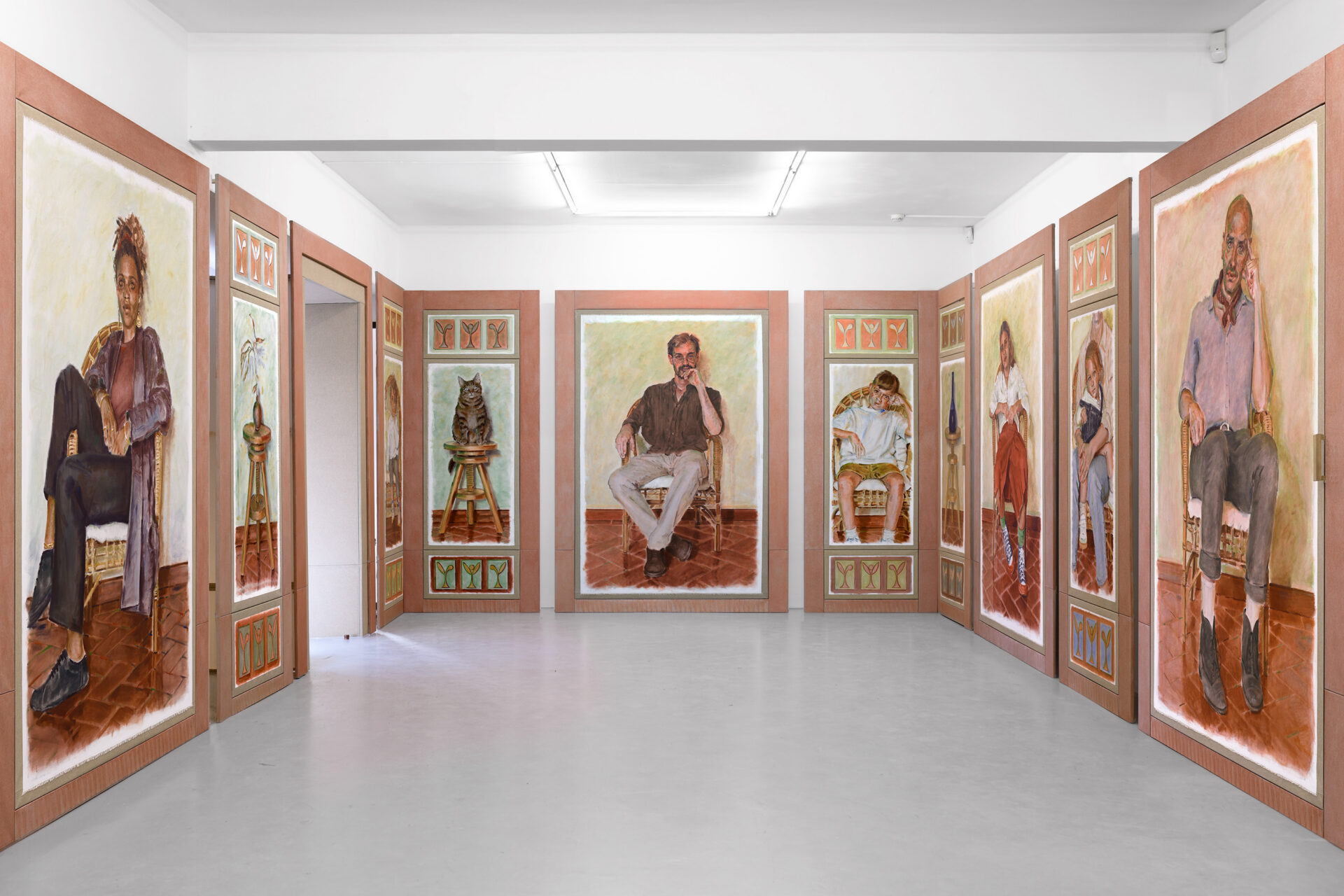
Charles Laib Bitton, exhibition view of "Figuratio" at Irène Laub Gallery, Brussels, 2026. Courtesy the artist and Irène Laub Gallery, Brussels.
On the occasion of Art Antwerp, Irène Laub Gallery is delighted to present a solo booth by Belgian artist Charles Laib Bitton (b. 1985). Conceived as a cohesive installation, large-scale portraits are presented in a continuous flow throughout the booth, thereby creating an atmosphere of intimacy and introspection. Bitton’s paintings establish a direct relationship with the gaze, allowing for total immersion into the artist’s work. Charles Laib Bitton’s paintings seek to create a quiet, emotional dialogue between the viewer and the canvas. Rather than relying on cerebral analysis, his work invites a more personally felt connection with the image. His paintings capture the quiet and changing moods of the everyday, focusing on the simple, honest feelings that make us human.
7. Danielle Hoogendoorn with LANG
Courtesy the artist and LANG, Amsterdam.
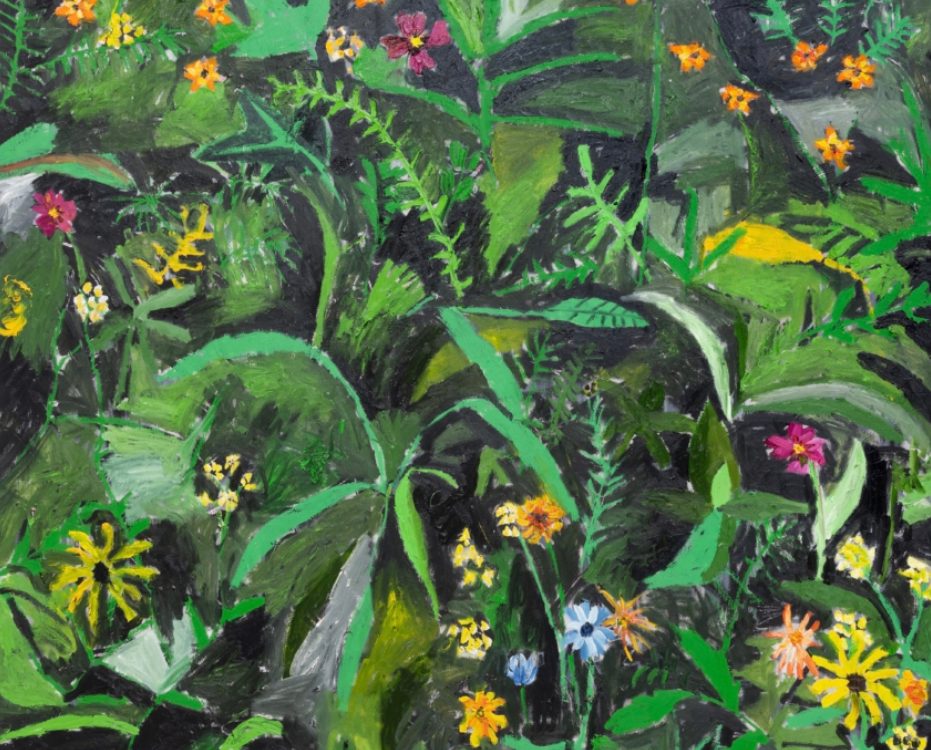
Danielle Hoogendoorn (1990) draws her inspiration from everyday life. Objects and scenes that emerge directly from her surroundings – a tree, a cat, the stove in her studio, a rabbit, or her parents-in-law’s Volvo – form the starting point of her work. What may seem insignificant at first glance is transformed in her paintings into powerful, archetypal images. The speed and intensity with which Hoogendoorn works demand immediate choices. The result transcends the personal and takes on an open, layered meaning.
The intention behind her work arises from her changed life situation. As a mother, time has become a scarce resource, forcing her to rely on impulsive decisions and on whatever is at hand. This limitation turns into a strength: painting itself takes center stage, rather than inventing a subject or assigning deeper symbolism. A watering can remains simply a watering can, a car merely a car – but in paint, they acquire a new presence and intensity.
Since 2020, Hoogendoorn’s practice has expanded to include ceramics, readymades, and assemblages. By also using existing objects or earlier works as carriers, she explores how the painterly gesture can take on new forms. In this way, an oeuvre develops that is rooted in the everyday, but continually makes the leap to the universal: the ordinary becomes image, and thereby gains an unexpected expressive power.
8. Marcel Mariën with Maurice Verbaet Collection
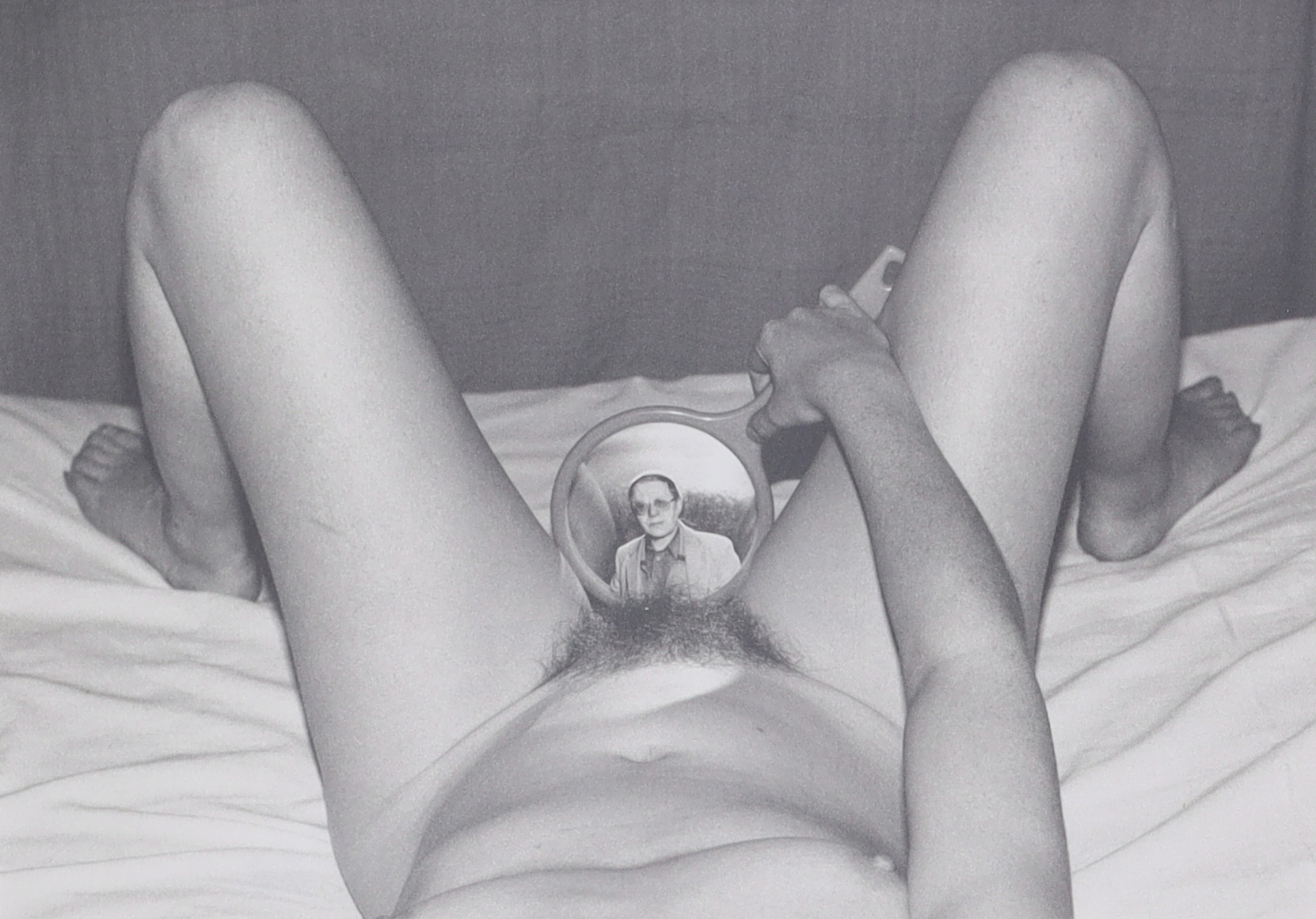
Marcel Mariën, Untitled, n.d. Original photograph.
For Art Antwerp 2026, the Maurice Verbaet Collection takes a deliberately different approach. Rather than presenting a selection of artists from the collection, as in previous years, the booth will be entirely dedicated to Marcel Mariën, creating a focused and visually striking solo presentation. At the heart of the booth is a carefully curated selection of Mariën’s photographic works. Provocative, playful and at times unsettling, yet always highly considered from an artistic and aesthetic perspective, these photographs embody the visual language that is so characteristic of Mariën. Through unexpected associations, subtle interventions and surrealist wit, ordinary objects and situations acquire new and often ambiguous meanings. The scenography will reinforce the strength of this imagery. The photographs, presented in two different formats and beautifully framed, will be installed against a carefully selected coloured wall. Rather than a neutral fair environment, the booth will become a coherent visual space in which the works, framing and architecture enter into dialogue with one another. A large, custom-designed poster featuring Marcel Mariën will mark the front of the booth. Visible from the fair aisle, it will function almost as a statement or exhibition poster, immediately establishing the identity of the presentation and drawing visitors into Mariën’s universe. Inside, the repetition and alternation of the two photographic formats will create rhythm while allowing each image to retain its individual impact. The concept also reflects a broader desire to continuously rethink the Collection’s presence at art fairs.
This year, the Maurice Verbaet Collection will occupy a smaller booth in a different location at Art Antwerp. Rather than treating this as a limitation, the new setting becomes an opportunity to reconsider the traditional fair booth. The more intimate scale lends itself particularly well to a concentrated solo presentation and allows us to create an environment with a strong and immediately recognisable identity. By showing one artist, one medium and one distinctive visual language, the booth aims to stand apart from the more conventional multi-artist presentations at the fair.
Bold but refined, provocative yet aesthetically compelling, the presentation will place Mariën’s photography firmly at the centre and invite visitors to discover the remarkable contemporary quality of his work.
9. Natália Evelyn Benčičová with PLUS-ONE Projects and ARTEMIS Gallery
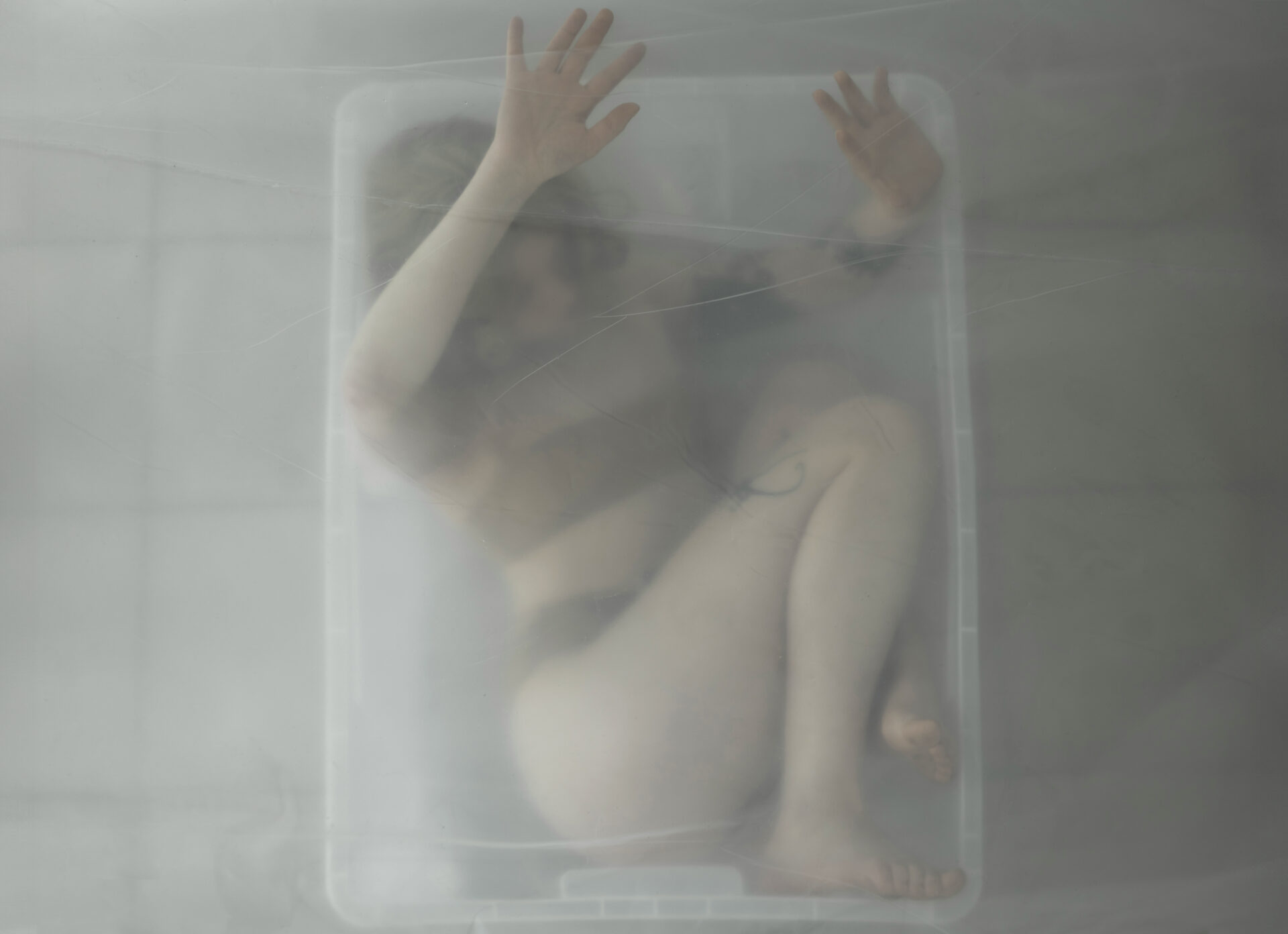
Natália Evelyn Benčičová, Unboxing, Second Virgin Series, 2025. © Evelyn Bencicova. Courtesy of ARTEMIS Gallery, Lisbon, Vienna
Building on an established collaboration, PLUS-ONE Projects (Antwerp) and ARTEMIS gallery (Lisbon, Vienna) join forces for a solo presentation by Natália Evelyn Benčičová. This shared initiative brings together both galleries’ expertise and networks to introduce her practice to the region and create new connections around her work.
Natália Evelyn Benčičová lives and works in Berlin. With a background in Fine Arts from the University of Applied Arts Vienna and as a PhD candidate at the Academy of Fine Arts and Design in Bratislava, her practice combines artistic research with new media and immersive storytelling. She constructs symbolic narratives that blur the boundaries between reality, memory, and imagination through what she describes as “fiction based on truth.” Working across photography, worldbuilding, and performance, Benčičová explores questions of identity, belonging, and perception, inviting viewers to navigate spaces of ambiguity and reinterpretation.
Natália Evelyn Benčičová is a visual artist based in Berlin. Within her mythical and symbolic orchestration of space, open-ended enigmas reveal the engine of our shared existence. Between the real and the hyperreal, her layered labyrinths of perception seek to illuminate the threads that connect us all. Creating conditions of atemporal quality reduced to mechanical elements, clinical environments, and deliberate absence, her visual language serves as a template onto which we project our own lives. In recent years, her focus has shifted from photography to more experimental and implicit forms of storytelling and new media. Working collaboratively on worldbuilding in 3D and VR, with a background in Fine Arts and a practice deep-seated in research, she became increasingly interested in the experience itself.
Exploring subtle dualities and moral ambiguities to challenge fixed categorization—interlacing innocence and constraint, intimacy and alienation—she engages with themes of visibility, identity, and representation. Where do we end and our avatars begin? What does it mean to show, or hide, a face, a body? How do we recall the core of our being? Subversive and symbolic, her fragmented narrative structures suggest a phenomenological approach, staging the instability of the self—performative, transformative, and as such, profoundly human. Through the lens of belonging, non-belonging, and embodied technology, her art is both a mirror and a map: trespassing boundaries for us to chart new paths of understanding. Where the deeply personal extends into the vastly cosmic, Evelyn’s ‘fiction based on truth’ enchants us with the dreamlike and the uncanny. And the truth remains for your reinterpretation.